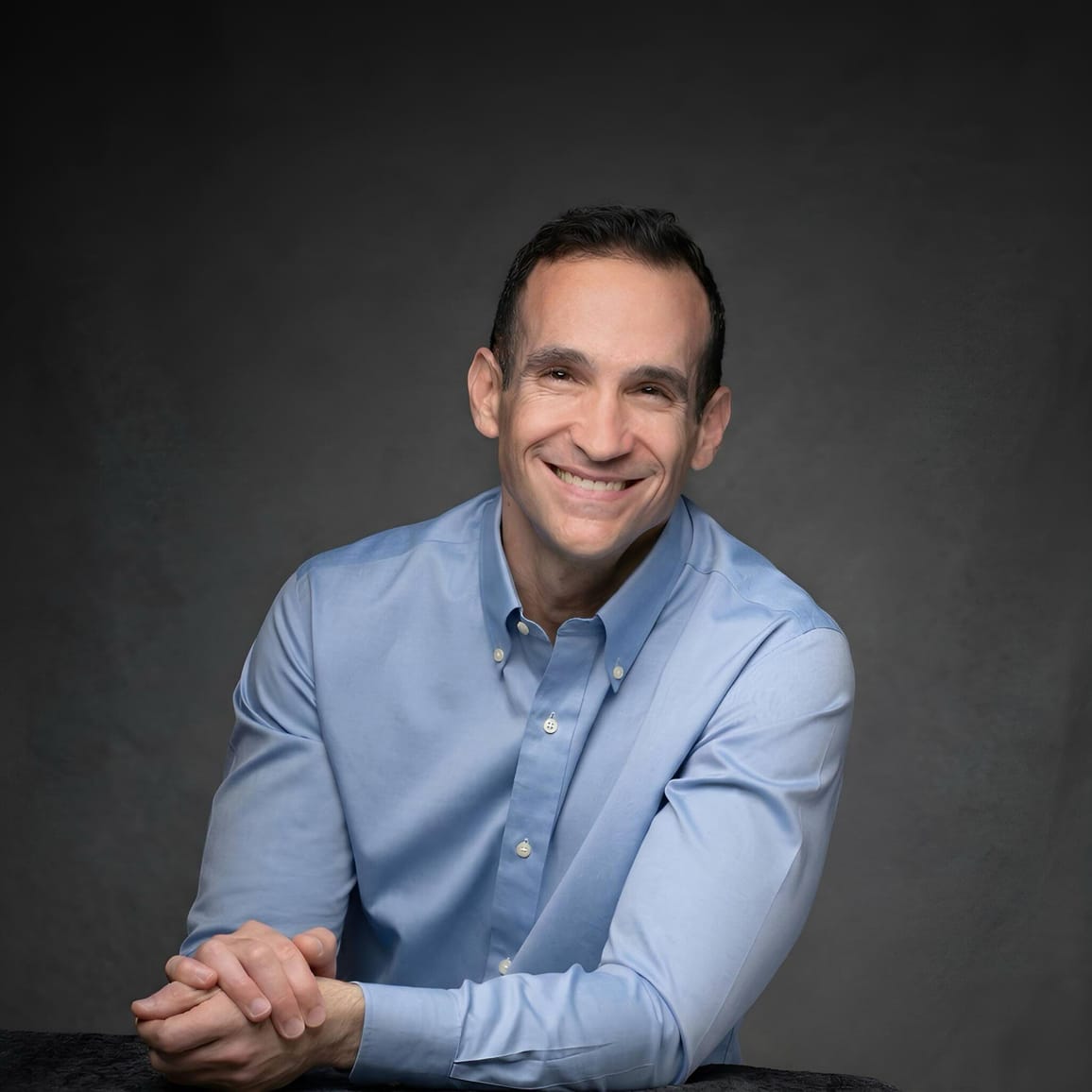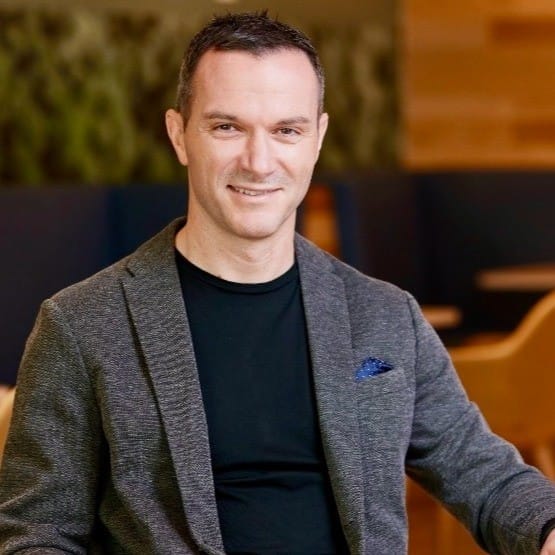

The $300 Billion Story: 10 Years of Southeast Asia's Digital Economy with Sapna Chadha, Florian Hoppe & Cassie Wu

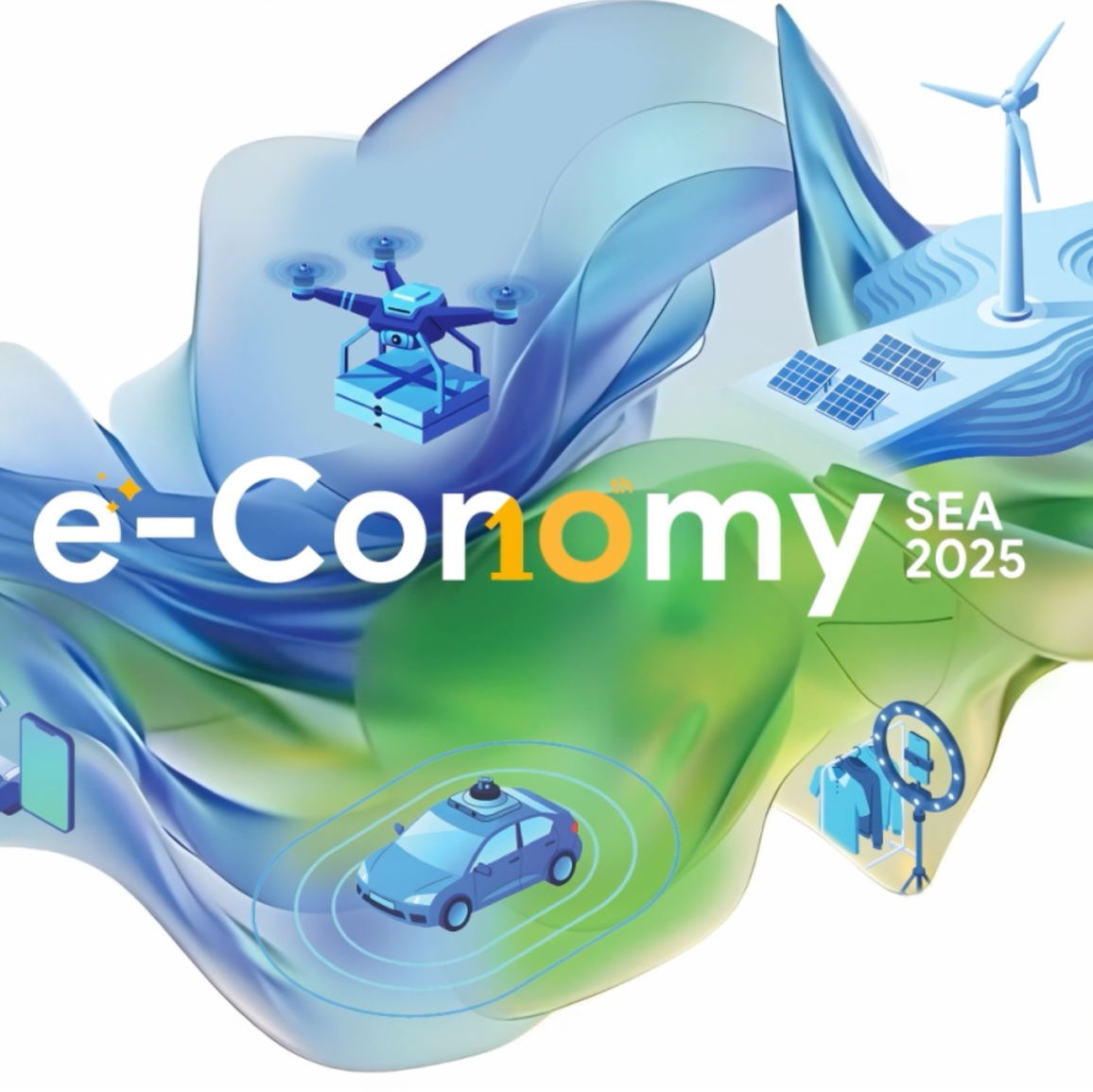
Fresh out of the studio, we commemorated the 10th anniversary of the e-Conomy SEA [Southeast Asia] Report with Sapna Chadha from Google, Florian Hoppe from Bain & Company, and Cassie Wu from Temasek, celebrating a decade of tracking Southeast Asia's digital transformation. The panel reflected on the region's remarkable achievement of reaching $300 billion in GMV—exceeding the original $200 billion goal by 1.5x—alongside revenue growth of 11x over the past decade. The panellists examined pivotal themes including Southeast Asia's position as the world's most AI-curious region with three times more interest than elsewhere, the explosive rise of video commerce and the maturation of digital financial services. The conversation explored the expansion from SEA-6 to 10 ASEAN countries, the ecosystem's resilience through multiple crisis cycles, and the shift from growth-at-all-costs to sustainable profitability. The episode concludes with each panellist sharing their vision for 2030, emphasizing building trust in AI adoption, creating an inclusive AI economy that benefits SMEs alongside large platforms, and navigating the AI transition gracefully to unlock innovation while addressing employment challenges—underscoring Southeast Asia's evolution from digital catch-up player to global innovation leader rewriting the playbook for digital adoption.
"We set this audacious goal of 200 billion by 2025. People told us we were crazy. In 2016 when we put that ambition out there, we've actually reached 1.5x that and we've hit 300 billion. And so it's just reflective of this incredible economy." - Sapna Chadha
"Indonesia e-commerce still I think is larger or about the same size as all of India e-commerce. And yet the attention tends to be a little bit veering away from Southeast Asia, but this is actually a real economic powerhouse I think for all of Asia Pacific." - Florian Hoppe
"Southeast Asia as a region, as we think about digital economy adoption, we are not playing catch up anymore. In many ways we're leading the digital adoption. We're writing how digital economy, how digital adoption could look like for a population and demographic like us." - Cassie Wu
Profiles:
- Sapna Chadha, Vice President Southeast Asia and South Asia Frontier, Google Asia Pacific (LinkedIn)
- Florian Hoppe, Partner at Bain & Company (LinkedIn)
- Cassie Wu, Director, Southeast Asia at Temasek (LinkedIn)
- e-Conomy SEA Report 2025 and YouTube Release
Here is the edited transcript of our conversation:
Bernard Leong: Welcome to the Analyse Podcast, the premium podcast dedicated to dissecting the power of business, technology, and media globally. I'm Bernard. This is the 10th anniversary of the e-Conomy SEA Report, 2025. I have the honour to cover this with the speakers for the fourth year, but it's their 10th year. We'll explore Southeast Asia's transition from a digital decade to an AI-powered future in a world shaped by macro shifts, AI innovation, and cross-border collaboration. What is going to happen?
With me today are the three voices behind the report: Sapna Chadha, Vice President Southeast Asia and South Asia Frontier, Google Asia Pacific; Florian Hoppe, Partner at Bain & Company - good to see you for the fourth time; and Cassie Wu, Director Southeast Asia at Temasek. Welcome to the show.
Sapna, Florian, Cassie: Thanks for having us. Thank you for having us.
Bernard Leong: Cassie, we've got to start with you first because you're new to the podcast. Can you briefly introduce your role at Temasek and your coverage of the Southeast Asia ecosystem?
Cassie Wu: Hello everyone, it's very exciting to be here. I'm Cassie Wu. I'm a Director with the Southeast Asia investing team at Temasek, where I help to lead our investment activities across the region. I've spent most of my career in investing in technology globally, so frankly, very excited to see how innovation and entrepreneurship is shaping the digital economy in this region.
Bernard Leong: I think for all of you, over this 10-year journey of the e-Conomy SEA report, what has been your most memorable moment or insight? What do you think the project actually represents for the region? I know there are many people behind the scenes who have to put together the report. Every year is as detailed as possible, and coming through this report for the last 10 years is really a pleasure for me. Anyone who wants to start?
Sapna Chadha: Well, I think we have to start - though Florian will probably tell me I'm stealing the thunder - but the thunder of this report is the fact that none of us expected us to overachieve on our goals. We set this audacious goal of 200 billion by 2025. People told us we were crazy. In 2016 when we put that ambition out there, we've actually reached 1.5 times that. We've hit 300 billion. It's just reflective of this incredible economy. When you bring a whole ecosystem together, there's been so many things that have worked to allow us to get there. It's kind of nice when people tell you that's too ambitious, and then you can hit the goal.
Bernard Leong: It's important to think big, I guess. Florian, any reflections?
Florian Hoppe: Yeah, I mean, the most exciting thing for me about this report is that it's actually still around 10 years later. If you think about the fact that we've had 10 years running now of putting a report out like this, there were years in between where we were thinking, well, is this going to keep going? Do we actually have something to talk about? Turns out the answer was yes, because this is an incredibly diverse and interesting region. We've literally found something interesting every given year to dive deeper on. In fact, we've got a long list of topics for next year, so I'm actually quite excited to continue this to the 20th anniversary.
Bernard Leong: Cassie, how about you then?
Cassie Wu: Look, what really is memorable for me is not a single number or a milestone that we have hit - it's really how resilient the ecosystem is. I feel like every couple of years, the world throws a challenge, right? We have capital inflows, then capital tightening. We've had COVID, now we have geopolitical tensions. Every cycle, the ecosystem just comes out to be stronger. A couple of years ago, we experienced a high interest rate environment, capital was tightening. But when we looked into the profitability of the ecosystem as companies pivoted from growth to profitability, it more than doubled in the two-year timeframe that we looked at.
I remember when the report was first launched, there were so many obstacles for digital adoption, including cashless payments and so on and so forth. Today, that is actually a landmark signature of how advanced the digital economy really is. So to me, the most remarkable thing is really how resilient and how adaptive the ecosystem is, and how we came out stronger, frankly.
Sapna Chadha: Can I add one more? The other memorable moment for me - when we knew the report really mattered - was when the ASEAN Secretariat said, "Can you please include all of the markets of ASEAN into the report?" Because this is the report of the economy in the region. It's become one of the most downloaded reports, which is cited more than any of us ever expected as well. But when they asked for that, we said, well, we have to deliver. It's our 10th year, so let's include all of ASEAN.
Bernard Leong: That is a great segway because I'm going to ask you this question: as the e-Conomy SEA report has now hit the 10-year mark, you've expanded your coverage from the SEA-6 to the 10, right? Any new insights or market dynamics that have emerged now that you include the broader region for the first time?
Sapna Chadha: I would say probably no in terms of new insights. What I would say is that this is important for us to do because this is a unified digital powerhouse when the region works as one. ASEAN - we actually did a preview of the report at the ASEAN summit recently. When you talk about things like regional trade, QR interoperability, which is now in eight out of the 10 markets, 10 out of the 10 markets have national QR unit interfaces. I think this is what's important: this is all working in tandem.
In terms of insights, you'll see similar insights, right? The way that e-commerce is growing, the way that payments has grown, lending being the bulk of financial services. So I would say there wasn't any huge area that's different than the rest of the region, but we're hopeful that the ASEAN-4 will see tremendous growth over the next several years.
Bernard Leong: Cassie, any thoughts on moving from the SEA-6 to the ASEAN-10? Or maybe Florian, any additional things you want to add?
Florian Hoppe: I think what Sapna said was right. It wasn't a big delta on total market size - about 2% more on GMV from those countries. What is important is there is a big base of additional consumers here in ASEAN that isn't as developed. ASEAN can only be successful - we spent a lot of time on this in last year's report talking about the digital divide, even within the ASEAN countries - ASEAN can only be successful if, at the end of the day, everybody comes along. That's really the uplift that as a region we need to achieve. So these countries are additional growth potential, additional market potential that we'll have to unlock for our full potential over the next 10, 20 years.
Cassie Wu: Yeah, importantly, it really just puts a spotlight on those four countries. As we think about it, we have 11 countries now. As we continued to track that progress, we felt like a lot of similar patterns have been observed in those countries, and there's actually a large population for the digital economy to continue to penetrate.
Bernard Leong: Looking back, are there any surprising or under-appreciated insights that have emerged?
Sapna Chadha: I would say the thing that everybody underestimated and still underestimates is the AI potential of this region, which is a big part and focus of the report. When I tell people that we see through Google insights and search behavior that there's three times the interest in AI in this part of the world than elsewhere, that is surprising to everyone. This is - we're seeing it in urban areas, we're seeing it in rural areas. We're seeing interest in multimodal AI. We have five out of the top 20 countries where that interest is coming from.
That comes from this adoption that happens really quickly here. I think we can talk about 10 different areas where Southeast Asia is leapfrogging. Video commerce is one of them, it's huge, and I'm sure we'll talk more about that. But I think the AI interest - emerging economies can take off when it comes to AI. It's under - we underestimated, I underestimated the opportunity myself.

Florian Hoppe: So I mean, for me, the underappreciated insight here is actually Southeast Asia itself. The whole report is always about Southeast Asia because obviously we want to profile what's happening in this part of the world. But we don't profile how this stacks up to the rest of the world. If you think around simple data points like Indonesia e-commerce is still about the same size as all of India e-commerce, and yet the attention tends to be veering away from Southeast Asia. But this is actually a real economic powerhouse, I think, for all of Asia Pacific. Continuing to profile this, giving it relevance and presence, is critical to make sure that this region continues to attract investments and actually continues to get to the potential it deserves.
Cassie Wu: For me, I think, similar to what Sapna mentioned, it's the leapfrog effect. Southeast Asia as a region, as we think about digital economy adoption, we are not playing catch up anymore. In many ways we're leading the digital adoption. So Sapna mentioned video commerce, which is already 25% and has grown two and a half times over two years. Also, in terms of developers, the robustness of the creator economy, the developer ecosystem - collectively, Southeast Asia gaming developers have been launching the most downloads globally. In many ways we're not catching up into the digital economy, we're actually writing how digital economy and digital adoption could look like for a population and demographic like us.
Bernard Leong: So I guess if you look back, what are the most defining inflection points in the digital economy of Southeast Asia over the decade? Is it digital financial services, video commerce, or something else that maybe we have not picked up? Most readers only read the summary, but didn't read through the whole 200 pages of the report, and you wish that they would have read it. Flo, do you have any thoughts on that?
Florian Hoppe: Yeah, I think the key thing I would call out is just the kind of - if you think around some of the key stage gates of the digital economy - I think it's easy to forget and not appreciate all the pieces that had to come in place for this to take place in the first place. If you think around the big telco infrastructure built out in the early 2010s when we hit the rise of 3G, 4G networks, when all of us for the first time realized what it was to actually surf on the internet without the Blackberry and with more than 2G speeds. On the back of this and the unlock on smartphone penetration, which only went north of 50% around 2010, then actually there was a very fast kind of digital experimentation, adoption mindset of the population here, which I think has been a key driver of success for a lot of these digital business models that emerged over the years. COVID and all that was really just a catalyst to what I think would've happened anyway, and has been a key driver of growth for Southeast Asia.
Sapna Chadha: I think of two things. We talked about how cash is no longer king a couple of years ago.
Bernard Leong: That was a very good quote.
Sapna Chadha: It has completely inverted. When we started this report, 60% of digital payments was cash. Now that is inverted - 60% are digital. The other thing that I think we talk a lot about is the pivot to profitability. I think that has been a huge inflection point. There was a time where investment was much more significant, but the questions around capital allocation - I would just say the pivot to profitability was a major inflection point. Now you have businesses who are looking at objectives very differently. There is a demand on them delivering faster, and I think that's created a much healthier ecosystem for everyone. You're seeing businesses thrive and they're succeeding.
When the need for stronger exit pathways are the need of the hour, I think we're in a really good place. We saw that pivot a few years ago focusing on profitability, and we see that in the revenue growth of the report. We added revenue a few years ago to the report in terms of tracking. Before that, we were just tracking top line, which was the GMV. Then we added revenue. The reason for that was we wanted to show the health of Southeast Asia. Revenue has now grown 11 times in this last decade, which is - it's grown faster than GMV, which is what we want to see.
Cassie Wu: I think there isn't a particular moment as we see in terms of an inflection point, but frankly it is really how collectively the ecosystem has really matured and flourished. Sapna mentioned the ability of the companies to generate very sizable profit pools. As we look into it, candidly, if you look at the large platform companies already listed today, they are growing, they're growing profitably, and they have been beating expectations. So that really is an inflection point from a validation standpoint, almost, in terms of the overall ecosystem. It's growing, it's maturing, and it's becoming more healthy. As we think about it, it really paved the way for the next generation of founders as they build the AI-first companies.
Bernard Leong: So I'm going to move back to the e-Conomy Southeast Asia report this year, 2025, and we'll talk a bit about ASEAN's AI future. I think I'm going to share some key takeaways from the report in 2025, with thanks to NotebookLM and a couple of Gemini prompts. The digital economy grew about 7.4 times in GMV and 11.2 times in revenue over the past decade. We have discussed the inflection points.
So one of the themes I picked up this year is "resilient amid headwinds" - inflation, tariffs, and funding slowdowns. Despite that, this region is still expected to surpass 300 billion in GMV by year end. What's the key factor that's explaining this ongoing growth momentum in the market?
Sapna Chadha: I mean, this is where the consumer is. The story of the consumer in Southeast Asia and that leapfrogging is incredible. When we started this report to where we are now, we've added 200 million new internet users. To put that into perspective, that's adding 1.6 million internet users every month for the last 10 years. You now have this economy that has grown by users, but they've actually rewired it. You see that three in every five users is shopping online.
You also see this incredible jump in video commerce - almost 25% of e-commerce is video, which is nowhere in the world is it this large. This has grown five times in three years. I think last year when we were here, we were like, wow, this is large. Now it's even larger. What we've seen is that there's almost 3 million sellers that are engaging with video. A bulk of them are doing live video. The top thousand sellers are doing - I think 80% of their videos are live. So this is emerging as a new way for businesses to drive value in a way that's driving trust. When you have growth of the consumer online, you have a growth in trust, you have an ecosystem that's using new tools and capabilities faster than ever before - all of these things lead to the growth that we're seeing.
Bernard Leong: I want to follow up on the e-commerce question, specifically for video. Live commerce with live streaming, which I think is a big phenomenon in China and East Asia now, is percolating into Southeast Asia. How is it redefining how products are being sold? How would you see the shifts playing out in terms of what they mean for platforms, brands, and consumers? I think Google has a very big landscape in the advertising space. How are you thinking about it?
Sapna Chadha: Yeah, no, I mean, obviously we're spending a lot of time on this. We've seen this started in certain categories first. Beauty, fashion accessories took off. But the research and the report this year talks about the expansion into electronics, into home. I mean, essentially, what is it that you wouldn't want to buy without somebody's recommendation? Recommendations are powerful. We're seeing this expand across, which means we need to be ready for this not to be in niche spaces, but this will be across the board.
The good news is that YouTube has content in every category. We're seeing people come to find their creators or to find out how to solve a problem that they're having. Shopping is a problem fundamentally, right? Like, what do I need to buy is a challenge in moments. We're seeing this first that we need to tackle it on the consumer side. We're fueling the ecosystem, we're enabling creators, educating them, using AI to make their lives easier. Face it, making a video is hard, right? Doing all this work that you do, running a podcast is hard. But now AI tools can make this work much easier for them. So we're starting with the creator, enabling them, that's driving the consumer usage, which we're seeing is on the up and up.
On the ad side, we're trying to bring brands and creators together. We've been doing this now for some time, and we're perfecting the art. It's hard work is what I would say as an ex-marketer myself. It's really hard work to actually connect creators and brands. It can be time consuming. Again, this is where I do think AI can help creators by making suggestions, auto-tagging. How can we do the work for the creator so that their business is enabled? That's how we're thinking about it.
Bernard Leong: I want to get the conversation into the region's digital financial services, which are maturing now with pretty wide-scale QR code adoption. You have a lot of embedded lending and digital wealth scaling. What are the next breakthroughs would you see in digital financial services in the next decade? Maybe Florian, I think you always have a point of view on digital financial services.
Florian Hoppe: Yeah, Sapna was already talking earlier on some of the payments trends we're seeing, and we think that's really quite exciting. We're now at north of 60% digital payments relative to GTV gross transaction value. Our 2030 forecast, if anything at this stage, feels a bit conservative. We're only saying it's in the 70% range. What we're seeing is a rapid acceleration actually of payments increasingly going digital. That will, I think, one, drive efficiency in the ecosystem. With the rise of digital payments, we see MDRs - merchant discount rates - going down year on year, in particular for QR code-based payments.
Then also unlock other financial services. You think around the rise of digital banks across the region - they will not only make themselves better, but they will also make the broader banking system better because it drives competition, it drives further uplift in the ecosystem. Wealth management is really exciting. It gives a much wider base of the population - call it wealth management, but really it's kind of access to retail asset management solutions for wider parts of the population. It helps drive wealth building, asset building for longer periods for a wider population. That's a very positive phenomenon for Southeast Asia overall.
Bernard Leong: Given all your different vantage points - Google as a technology platform, Bain as a research insights engine helping advisory to services, and Temasek as a capital allocator - how are you seeing the digital monetization models that have now evolved across the e-commerce and finance space within the Southeast Asia region? Maybe I'll start with Cassie first.
Cassie Wu: One common theme that we have observed really is how different monetization streams are coming together, how different monetization streams are converging, and they're working specifically for Southeast Asia. E-commerce - if you take it way back when in more developed economies, e-commerce was based on commission. But that has not been necessarily the signature for Southeast Asia or for a lot of developing economies. So advertising really had kicked in. It really goes hand in hand in terms of how we then upload different versions, different kinds of monetization profiles.
In addition to that, e-commerce has also come together with finance. We have mentioned how we think about the uprising of digital financial services, and a lot of digital financial services are actually being embedded in the large internet platforms that we see, even in some of those vertical platforms. In other parts of the world, the monetization might be, again, through commission - taking some of the economics from one side of the marketplace. But here we are thinking about new embedded revenue streams that can really bring more digital inclusion and actually expand TAM [total addressable market]. So I would say that from a monetization standpoint, we're seeing that it actually works in a unique way for Southeast Asia, and especially for our economy that is, frankly, young, diverse, and, to Sapna's point, very interested and forward in terms of digital adoption and AI adoption, trying new things.
Sapna Chadha: I think it's an incredible flywheel. As Cassie said, it started with the consumer. Then when payments was set up, it's ubiquitous now. So then it empowered the users to be able to shop from anywhere. But then the question was, will these businesses be profitable? New streams came out like advertising, which is allowing the e-commerce players also to drive online ads. We work with them - they're our biggest partners. I think that's the thing that has become really unique in this region: the rise of retail media networks.
You don't hear everyone around the world talking about retail media networks the way you will hear people in Southeast Asia talking about it. The report shows like 10 times growth in retail media network volume. I only expect that's going to continue because of this opportunity that super apps are having here. The openness to super apps, the demand by consumers for super apps - I think it's just this flywheel. It's been all these things that we've been talking about in the report have come together to lead us to this moment.
Bernard Leong: So you think it's a compounding effect over the last 10 years of what has gone through?
Sapna Chadha: Behavior will change really fast as a result. But I think businesses need new models. That's what it's shown. That's why things like online media and advertising have grown so much, and businesses have become healthy on the back of that.
Florian Hoppe: Yeah, I think not much to add to this. I think it really comes down to where Sapna was starting. It starts with a consumer. The thing, if you think around what these digital platforms did, they captured our spend. If Florian bought a widget for $10, those $10 never went to the manufacturer of the widgets. There's the payment costs in the middle, there's advertising for Florian to be aware of the widget, there's logistics costs in the middle of that chain as well, and a lot of other parts. Now the digital platforms have been very smart at figuring out what other pockets of these $10 can they capture as strengths in their platforms. I think that's going to be a trend that continues over time, overall actually to the benefit of the consumer in the region.
Bernard Leong: I want to dive into the most important subject that everybody's talking about, and I'm also in the heat of it, which is AI. AI is now positioned as the next frontier. Southeast Asia is now being labeled as the world's most AI-curious region. There's about 680-plus startups, which are one part of one in 680, and then $2.3 billion in investments. So I think we are looking to all the other regions. Is the AI movement now in Southeast Asia real or overhyped? Do you see a path for how fast they'd be able to monetize, specifically on AI?
Sapna Chadha: It's definitely not overhyped is what I would say. We talked about the AI interest already backed in data. You also have the demand. The demand for compute has been significantly rising, which has led to data center capacity growth growing in this region faster than anyone expected. We've seen 4,600 megawatts is what is planned. We are growing multiple-fold the rest of Asia Pacific in terms of growth rates. As Google, we've invested billions of dollars in data centers here, and there's no signs of stopping anytime soon.
Bernard Leong: You have the lowest carbon cost per query.
Sapna Chadha: Yes, thank you as well. The last thing I would say is it comes back to our businesses finding value. I think that's probably the biggest question everyone's asking. We've seen 86% of businesses are seeing some kind of cost savings already. But they're also seeing - 71% are seeing revenue upside. This is - we reported that last year too. There was data last year that gave us optimism. This year, I would say it's even more. It's not just curiosity for curiosity's sake. We are seeing this pay off in terms of business and revenue growth. You see the region leaning into things like AgenticCommerce. That has led to three times ROI for some of the businesses that we talked to in the report. So it's definitely not overhyped. I'm happy you're asking the question. I keep asking it.
Florian Hoppe: Yeah, I mean, I guess what I would say is that Southeast Asia has been a bit late to the party, and the thing that's just a natural reaction of this part of the world. If you implement a new AI solution and you're dealing with 50,000 employees in your company and you've got the labor cost of $50 an hour, it's a very different story than if you've got what we have in Southeast Asia: fragmented businesses, all a little bit smaller, maybe a thousand employees, and labor costs that are oftentimes just a fraction of what you face in the West. The raw economics of implementing AI didn't fully stack up yet for Southeast Asia, except for early experimenters who really wanted to get their head around it.
Now that's changing really, really fast. The cost of these models is coming down really fast. Frankly, other companies are starting to do this at scale. If you're competing with other companies from other markets outside the region or now in the region and you haven't adopted these solutions, you're starting to fall behind. That, we think, is outside of the strong consumer interest, which has always been there. A key catalyst that will drive massive adoption and business activity in this space.
To your question of when are people going to make money on this, well, to be clear, I think what's actually exciting here for me - this is the whole next wave of digital economy opportunity for Southeast Asia. If you think around the digital consumer economy, which is what we profile for the largest part for the last decade, that ship has broadly sailed. There's big platforms in play. It's been very successful. There's a lot of trends and dynamics playing out there, which is exciting. But there's incumbents which are at this stage very strong.
The AI economy is only just getting started. The application layer, the type of businesses we see being built around unique services to Southeast Asia, the impact this could have for healthcare or education in rural parts of Southeast Asia is just staggering. There's still a shortage of doctors, of teachers. I do think there's a lot of opportunity out there in this space.
Sapna Chadha: I would say it might be late to the party, but catching up super fast. This is where you see, like Grab, for example - 250,000 of their drivers are using their AI driver companion to optimize their routes to get 10 to 20% more revenues. That pull - you're seeing that lead to skilling needs and then the skilling pull. We've seen a fivefold increase in skilling in Vietnam in the last year. What we're seeing is five out of 10 users are saying AI is essential for them, meaning they're using it. This partnership that they're finding even in their own day to day is what's going to lead to this. I wonder if the consumer's moving faster than the businesses.
Cassie Wu: One more data point that I would like to add is that when we surveyed - every year we run a survey of all the key investors in Southeast Asia's digital economy - we asked them not only that 70 to 80% of them already realized some sort of revenue uplift as well as cost savings. Actually, 29% of the portfolios are able to charge higher because of AI. Just to be mindful, this is not just 29% of AI companies - 29% of overall investor portfolios across different sectors. That is actually a very powerful signal that people are not only embedding AI into their products, but there are people who are willing to pay for it. We're just being early in invading AI into different applications. Different companies in different vertical scopes are trying what's the best way to realize the ROI, what's the best way to continue to embed that to enhance the product offering. That's very encouraging.
Bernard Leong: So I have a second question for you. The reports also say that the investors are now coming back. The capital markets globally still feel a little bit shaky. Do you think the optimism is warranted, or do we still need to see what is happening macro-economically globally?
Cassie Wu: Yeah, I think first of all, I would say that the capital market globally is probably not shaky at this point in time. I think, frankly, there is definitely macroeconomic volatility, and that has tested the capital market. But if anything, I think capital markets globally have been quite robust. Now, coming back to Southeast Asia, we do see there is optimism - cautious optimism, whichever way we call it - in the underlying economy. The reason is that we felt like, as we have been an observant and a participant in the ecosystem the past 10 years, the ecosystem has been healthier than ever.
In terms of one, we have achieved our growth target ahead of plan. But not only that, we're able to grow consistently. Ever since we started publishing a revenue figure, it has been growing in line, even now faster than GMV, and the profit pool have been expanding. You can see that through our report, also through the published figures from the public internet platforms. So overall, that part is healthy. What is more important to us is that, I felt like, after 10 years, we are also more aware than ever what is the bottleneck, what could be the bottleneck of the ecosystem.
More so than ever, I think the participants in the ecosystem are working together to address it. We talked about establishing exit pathways, and that is something that takes both private capital markets and public capital markets together to solve, which we are seeing signs of - increasing in late-stage funding, and we are also seeing that exchanges are coming together to increase integration. So our optimism really is grounded on the underlying health as well as we are all coming together to solve, to really unbottle the bottlenecks and bring it to the next level.
Bernard Leong: I just only have this one question before we go with the quickfire round. Regulation, data infrastructure, and talent transformation are cited as key enablers for scaling AI. Which one of these is actually the key bottleneck, and how should governments and private sector respond to this?
Florian Hoppe: So I mean, for me it's very clearly talent, and talent actually not so much in the traditional way of like we need more data scientists or more data engineers, but unlocking the talent that is already in place for Southeast Asia. As we shared earlier, we see a lot of inherent interest and curiosity about AI. People are using these tools nonstop, all day, every day, for vacation planning and just about any other activity. Unlocking that talent for business, enabling that in businesses to make a difference for the work we're doing and the way we're doing our work - both for established companies doing things better the way they're done today, but also for new businesses, new startups, ideas that could help drive this region to the next level - would be critical.
Frankly, regulation - the governments, to their credit, are doing a good job already. Infrastructure - we shared data on just the data center build-up in this region. We're actually in very good shape. So really it comes down to unlocking the inherent talent that's around here.
Sapna Chadha: Yeah, I mean, I might disagree, which I never do with Florian. I'm more optimistic on the talent because of what we're seeing in terms of the pull - people are upskilling themselves. We even see through talent skilling programs that we're doing - where Google's committed to this - farmers are using AI. I think the talent will get sorted also. Governments are investing, we're investing, we're very committed in this space. But I will say there's still more work to be done on the governance and streamlining. Digital Economic Framework Agreement has - there's progress made, but it's not done yet. I would say we've had most success in the QR interoperability and making it easier. But I would still say we're still fragmented in places. We make it hard for businesses to trade around the region, and therefore there's still more work to be done on the governance. But work is being done, which is good.
Cassie Wu: I wouldn't say this is the most important obstacle, but I think one thing that I would love to highlight is also that, especially in the era of AI, digital infrastructure - although Southeast Asia has seen the fastest growth in digital infrastructure - digital economy in this day and age is really coming hand in hand with green economy. As we think about building more digital infrastructure, we should also be thinking about building sustainable power to generate and deploy that infrastructure at scale. I think that is important as we think about taking Southeast Asia to the next decade as we think about AI.
Bernard Leong: So I'm going to go through three very quick questions and then just give me what's the answer on top of your head. The first one: what's the one thing you know about AI in ASEAN from your perspective as a technology platform, research insights engine, and capital allocator, that very few do? Who's going to start first? Cassie?
Cassie Wu: Yeah, well, that's a very hard question to answer. But I think what I will say from an investor vantage point is that many people think that because Southeast Asia has a lower cost basis from a labor cost standpoint, businesses may not be as incentivised to deploy AI. But in fact, when we as an investor talk to companies in Singapore, which is a developed economy, Indonesia is a developing economy - candidly, businesses are equally eager to adopt AI. The point that is missing is that AI is not just about cost saving, actually more is about product enhancing and how to be able to accelerate revenue growth, increase value proposition. So I think that's also going back to our report, which is in terms of being the world's most AI-curious region. Product enhancing is a key value proposition for Southeast Asia as well. We are seeing businesses are equally eager to adopt.
Bernard Leong: Florian, how about you?
Florian Hoppe: Well, I think it's the fact that to really get full value from AI - a lot of people have adopted this both in a private and a business context, but to really get full value really often requires a very complete rewiring of company infrastructure. You can't just go out there and do a bit of research on the next meeting you have. You actually have to rethink your processes, rethink the way you do business. Driving that end to end is going to be critical to be successful for AI companies in the future, and where everybody's going to use this to remain competitive. I think only very few companies in Southeast Asia have truly started on this journey. We're a little bit late to the journey here, as I mentioned earlier, but they're now very rapidly investing behind this. It's critical they get this right to remain competitive out there.
Sapna Chadha: I think the thing I know, or that I see, is the stories of businesses. I've heard from so many of them, which is maybe why I'm so optimistic. Sometimes people tell me, wow, you're really optimistic. But I'll tell you, I've met small businesses in the Philippines that are using AI tools. There's a woman who has a female-led coffee shop, and she's using AI tools for promotions and for marketing and doing things that she would never have imagined she's doing before. So I would say the thing that people don't know is the stories. I wish - I know this is a report all about facts and data - but I'm happy to share more stories next year because I think we have to convince everyone. I want everyone to be as glass half full as me.
Bernard Leong: I know, when I was doing a corporate teaching course in Philippines with some of the conglomerate of schools, they're using their Google Chromebooks and the people from the rural schools actually are more enthusiastic about AI than where I've seen this happening.
So my next question: what's the one question you wish more people would ask you about the e-Conomy SEA reports, but they don't? Maybe Florian, you can take this one. What's the one question you wish that they would ask you?
Florian Hoppe: Why is Southeast Asia so underappreciated? I still think that's like a big thing. As a region, this is a super attractive space for investment, for consumer trends and actually seeing what's next. Things should have a much higher visibility on the global stage.
Sapna Chadha: I wish more people would ask me about video and what we're seeing here. I think it's taken for granted a bit. But I would say this is the most video-engaged region in the world. I have to keep telling people - it's also, I would say, underappreciated. This is where social commerce started and that's why it's evolving here. We're writing the story for video commerce.
Cassie Wu: Yeah, I wish people would focus less on some of the challenges but also focus more in terms of really how much we have come a long way from the underlying health of the digital economy. From an investor's perspective, it is very heartening to see, and especially as we think about how the entrepreneurship and how we think about the overall business model has been adapting and continuing for the era.
Bernard Leong: I have to modify my traditional closing question. This time around, I'm going to ask you: if you look ahead five years, 2030, if you could project one consequence or transformation stemming from this year's report today, what would you hope would come true and what would it be?
Sapna Chadha: I can start. I mean, we talk a lot about the need for building trust in this AI decade that we're entering. People are using AI for the questions and the tasks that they say are not really as consequential. But for us to really make a transformation on the bigger areas, we will need people to trust, which means businesses will need to build the AI, and the technologists will need to build AI in a way that generates that trust. Which means putting the user in the driver's seat, helping them with transparency, helping to outline sources of data, also giving them the decision-making power at the right time and helping them feel in control. Otherwise, we may just scratch the surface on the potential. But here we have the opportunity to really make it a collaborative, intelligent economy that really helps everyone.
Cassie Wu: I would hope that in 10 years from now, as we think about it, we really have built an inclusive AI economy, and not just for large enterprises, large platforms, but also for the SMEs that we mentioned earlier on. I think, if you think back, in the last 10 years as we were doing the report, Southeast Asia really leapfrogged the PC era and we went directly into the mobile era. We have a very distinctive user behavior that we have generated from that. Can Southeast Asia leapfrog again in the AI era, not only on the consumer space, but also on the enterprise space? Because ROI, as we have already pointed out, is very clear. So this is something that if we can do that, that will be very exciting.
Bernard Leong: Florian?
Florian Hoppe: Well, I think I will second the points that my two cool speakers here made. The one piece for me that would be critical is that as a region we navigate the AI transition gracefully. It's a huge opportunity for us. It's also a risk to employment, frankly. I think of areas like autonomous vehicles, which we spent a bit of time talking about. I think it's going to make mobility more accessible, cheaper, and much safer for all of us, both for personal transport but also to move goods and cargo around the region. So it'll be a really greasy wheel of Southeast Asia's digital economy. But in parallel, we need to find employment for potential drivers who get displaced by this.
Again, finding a solution here for Southeast Asia that works for this part of the world and helps to unlock that innovation, which will take us to the next level, is going to be really critical and a big task for all of us and policymakers in this part of the world.
Bernard Leong: I think this is a good place to actually think about 2025, and I look forward to seeing you in 2026. So Sapna, Florian, and Cassie, many thanks for coming on the show. Just in closing, very quick, two questions. First question: any recommendations that have inspired you recently?
Florian Hoppe: So I can give you one. I love cooking and there's a guy on YouTube - shoutout to good friends from Google - Vito, I think I'm butchering his name, but he does this great next-level pizza dough recipe. Highly recommend for anybody who likes cooking. Wonderful. It's worth every minute you spend on a recipe.
Sapna Chadha: I also just met a creator recently. Her name is Michelle Khare. She's in the U.S. She does these stunts. She's basically doing the stunts that are in movies and she's doing them herself. But what I find fascinating is she also shared that people are watching her content on TV now because she's investing a lot in making content. What has typically been mobile, now people are watching on TV because of the investment. But yeah, she does these incredible stunts. I need to take more risks sometimes, so it's to help me think about that.
Cassie Wu: Well, my recommendation is probably a little bit heavier. I think I most recently reread The Most Important Thing by Howard Marks. It is an investing classic. The rereading was very refreshing and it's refreshing for me because in this volatile world and there's a lot - we are facing a lot of macroeconomic volatility, and the same time AI era is coming at us, we are in the AI era. One thing that is hard is to see things clearly when timelines are so close. So it's very important for me to go back to the basics, and I think that is very clarifying.
Bernard Leong: He has a treasure trove of his letters. Now I will just add to that - also a podcast that talks about all the letters in that book.
My final question: how do my audience find all of you and the report? It's going to be out soon, right?
Sapna Chadha: Out tomorrow, 11/11, 11/11 at 11:00 AM. You can find me on LinkedIn and the report will definitely be there.
Florian Hoppe: LinkedIn and florian.hoppe@bain.com.
Cassie Wu: Well, I do not have a .com, just LinkedIn.
Bernard Leong: Okay, got it. So many thanks for this 10th anniversary. Very honored to be here to do it with you all, and of course, I wish you all all the success and I will look forward to the next 10 years with the report again. Thank you.
Sapna, Florian, Cassie: Thank you.
Podcast Information: Bernard Leong (@bernardleong, Linkedin) hosts and produces the show. Proper credits for the intro and end music: "Energetic Sports Drive" and the episode is mixed & edited in both video and audio format by G. Thomas Craig (@gthomascraig, LinkedIn). Here are the links to watch or listen to our podcast.