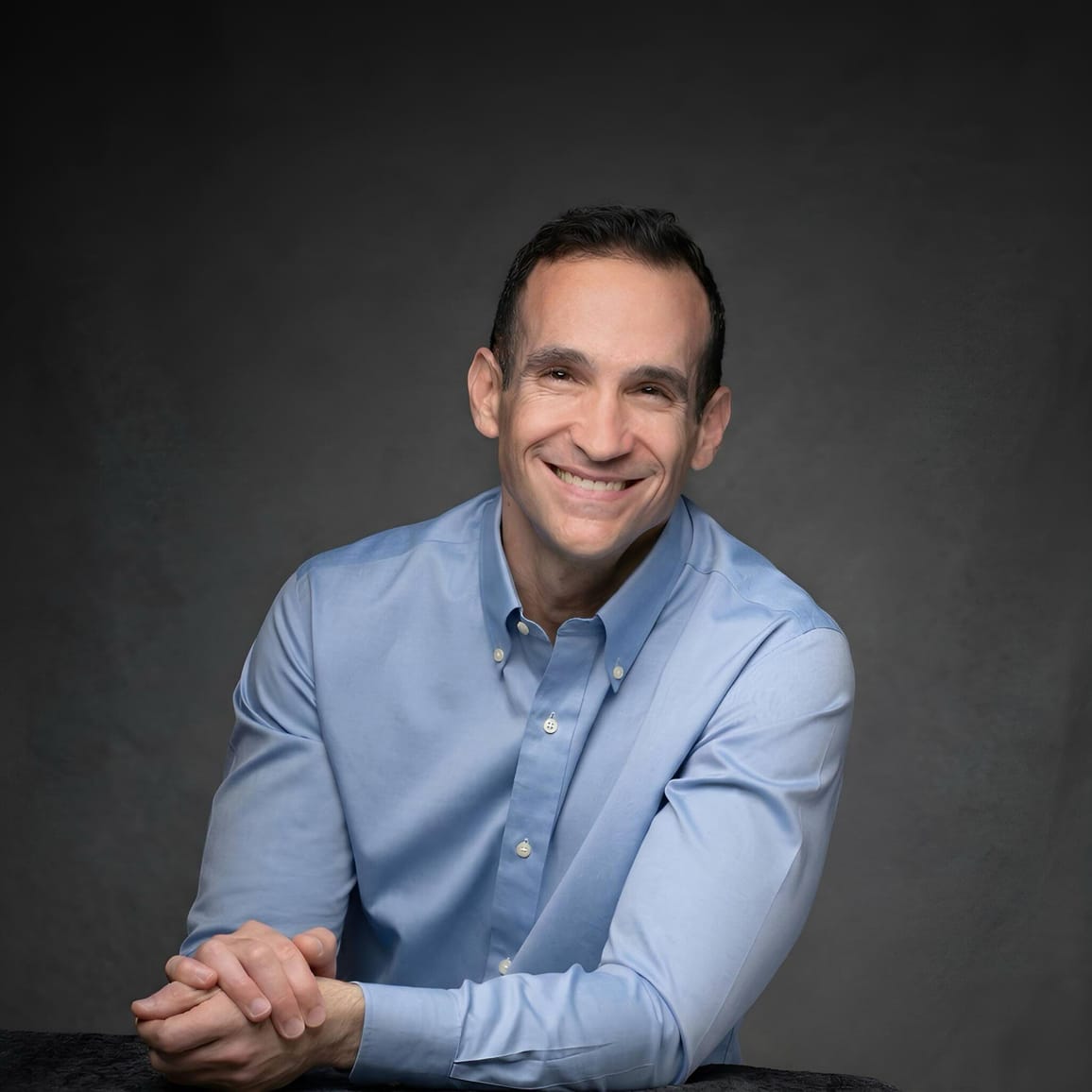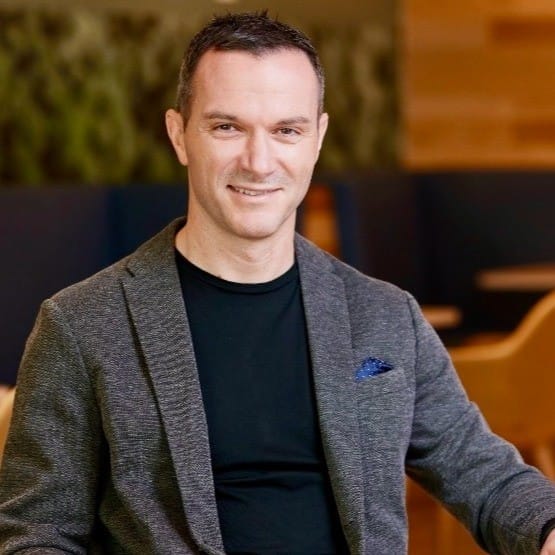

This Week in Asia Reunion: Southeast Asia 16 Years Later with Michael Smith Jr & Daniel Cerventus Lim

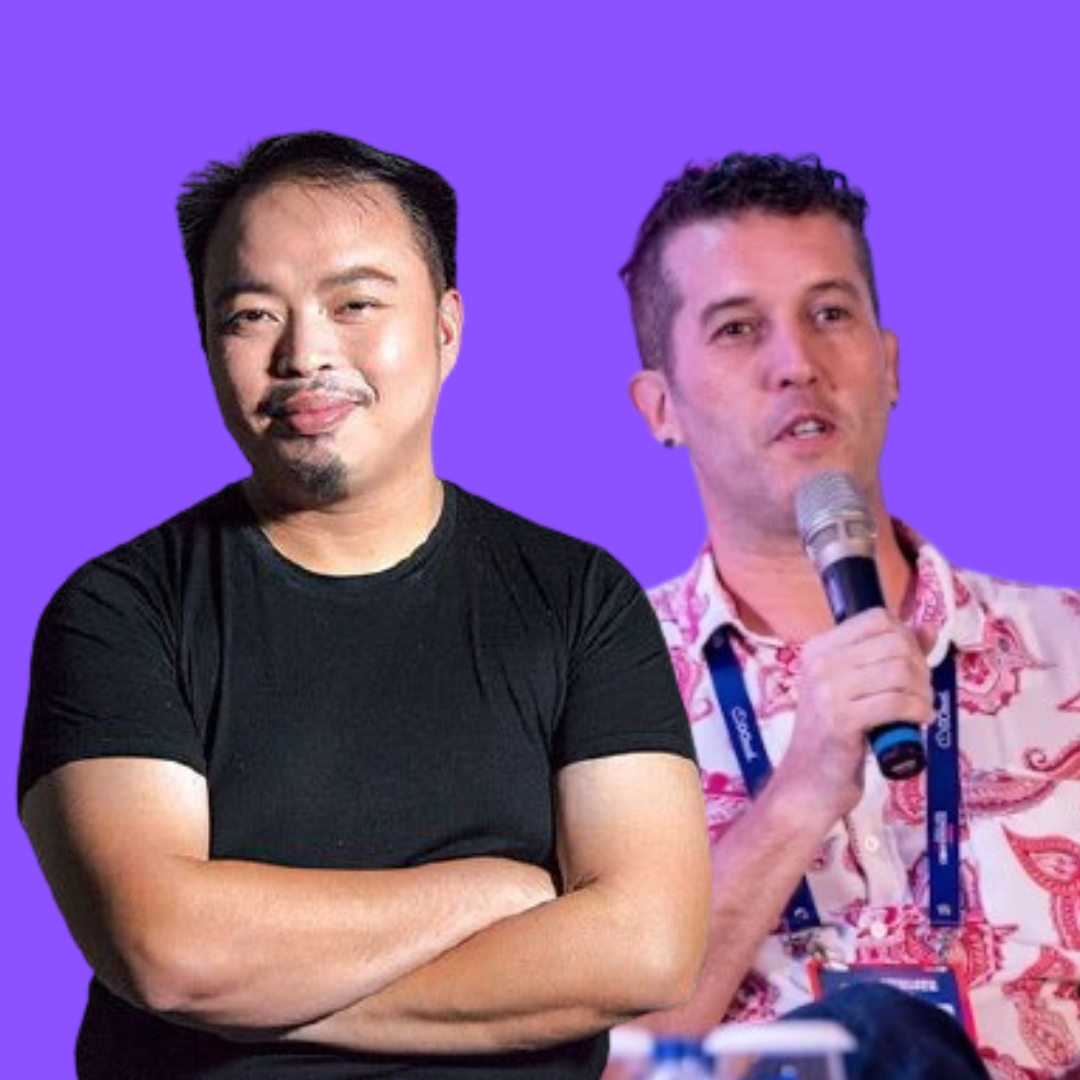
Reuniting after more than a decade since their days in This Week in Asia Podcast from 2009, Michael Smith Jr., co-host of The Generalist podcast, and Daniel Cerventus Lim, semi-retired entrepreneur and community builder in Malaysia, join us for a candid assessment of Southeast Asia's tech ecosystem evolution. In this raw conversation, Michael offers his unflinching perspective on what he calls the 'broken windows era' of Southeast Asian tech, arguing that recent alleged fraud cases like E-Fishery and Tanihub require serious consequences to restore investor confidence, while questioning whether the region was ever correctly modelled for Silicon Valley-style outcomes. Daniel shares his pivot from startup founder to search fund advocate, explaining his bullish view on acquiring profitable traditional businesses and reflects on whether the region's potential was genuinely unrealized or simply impossible to achieve. Together, they explore the shift from venture-backed unicorn dreams to bootstrap realities, debate work ethic of Southeast Asia founders in comparison with Chinese and Indian founders, and discuss why the future of Southeast Asian tech may lie in smaller, profitable exits rather than the massive IPOs once envisioned.
"I think wealth creation here is very SME-focused." - Daniel Cerventus Lim
"Basically whether, it's SME or startup, to me now it's just: can you build a profitable business?" - Bernard Leong
"I have this philosophy that I think people don't agree with me, but we're in a broken Windows era of Southeast Asia and the only way in my opinion, the windows get fixed is if some of these people are behind bars." - Michael Smith Jr.
Profile:
- Michael Smith Jr., Cloud Evangelist, Oracle and Co-host, The Generalists Podcast (LinkedIn)
- Daniel Cerventus Lim, Daniel Cerventus Lim, semi-retired entrepreneur, Community Builder in Malaysia and TEDxKL founder. (LinkedIn)
Here is the edited transcript of our conversation:
Bernard Leong: Welcome to Analyse Asia, the premier podcast dedicated to dissecting the pulse of business, technology and media in Asia. I'm Bernard Leong, and this reunion is a long time coming.
Michael Smith Jr.: Hello. Hi, Daniel.
Bernard Leong: Yes. Hello.
Michael Smith Jr.: Oh, sorry. Bernard. That's a cool open, right? We're keeping this light, but this started way before Analyse Asia. What I'm trying to say is, I can't remember the exact date, but I remember like we're talking before podcasting was technically a thing.
Daniel Cerventus Lim: It was around there, like early podcasting days. But I'm just saying, can you imagine, have we continued?
Michael Smith Jr.: 2009 is when we started, like we even own the whole Asia ecosystem but 'cause no one was doing it then, right?
Bernard Leong: It's a weekly show, man. It was so tiring. We can always restart it back. People these days like retro anyway.
Michael Smith Jr.: That's good. If you had those years in arrears, as in we had kept going, we have now nice setups here, like in stereo. When did you pick up and do Analyse Asia?
Bernard Leong: That was 2014. 2nd September.
Michael Smith Jr.: So, about a year or two in between when we stopped the podcast.
Bernard Leong: We stopped somewhere around 2012.
Michael Smith Jr.: That's what I'm saying. We were so early. It was crazy. I mean, it's all, it was like manual files. You'd upload the files. Oh my God.
Daniel Cerventus Lim: Do you remember? There's no Zoom. There was Skype.
Bernard Leong: Yeah. I want to first introduce both of you. Why don't you introduce yourself. Maybe I start with Daniel first and then go ahead. Michael's now a podcaster. You coming into the game? He's the guest.
Michael Smith Jr.: He's the guest. I'm the guest.
Daniel Cerventus Lim: I'm the guest. Hi. I am Daniel, from Malaysia. I run a community of entrepreneurs, semi-retired back for a while.
Michael Smith Jr.: Can you explain the retired thing? I'm confused.
Daniel Cerventus Lim: About six years back, I felt ill. I told my partner to buy me out and, so we had cash. I just decided to focus on my health, focus a lot on my health travel. Then I end up building a community of now 234,000 members now. So, but it's just for fun. Pretty much.
Michael Smith Jr.: Malaysia community now?
Bernard Leong: You come to Singapore more often these days, right?
Daniel Cerventus Lim: Yes, I'm in Singapore for personal and business reasons too, good reasons. Smitty.
Bernard Leong: I'll leave it as that. I'm gonna get this. Come on. Smithy. You should introduce yourself now. Now you are podcaster as well.
Michael Smith Jr.: Not so much that, so yeah.
Daniel Cerventus Lim: Smitty or Michael?
Michael Smith Jr.: Does not matter. We're here in Singapore, which I'm involved in. So I think this has been pretty amazing for the Singapore ecosystem in general, not just for podcasting. That's a lovely place like creators and the community events and stuff, so yeah, it is cool. So, I work at Oracle. I should disclose that so I don't get in trouble. Then yes, I'm trying to podcast. I've been at it about a year of Raz Kotler and me. It's hard, you know it. Yes, I know it, it's been harder than I thought actually. It's called The Generalists Podcast.
Bernard Leong: The generalists podcast, yes.
Michael Smith Jr.: You'll put it in the show notes. But it's fun. We're learning and we do it all ourselves. Yeah, I'm gonna keep at it. Keep kind of evolving 'cause we are 16 years later.
Daniel Cerventus Lim: 16 years later?
Michael Smith Jr.: I do wish I had just kept going with you guys. But you know, hindsight's 2020. So maybe nowadays people like retro, maybe we can get This Week in Asia back. Maybe we do this monthly or something. Daniel's in town more often for some reason. Maybe that's something we can do.
Bernard Leong: So we can cover the topics of the day?
Michael Smith Jr.: The good news for us is that we have seen the entire evolution [of Southeast Asia], should we say, should we say that's kind of what we are used to. This is, 'cause this is different than your show, right? What we used to do, I think it predated Google Docs too. I can't remember. No, we were using Google. Were we?
Daniel Cerventus Lim: Yes we are using Google sheets then.
Bernard Leong: Yes.
Michael Smith Jr.: Yeah, they are with us all the while. Yeah. But we used to just like we did this week, put a bunch of topical items in the sheet. We're not copying all in by the way. 'cause we were around before, all in the, and we just chat about it, right? Take contrarian views and enjoy ourselves for an hour and then somehow figure out how to edit it and upload it and all that crap that we had to them. Yeah. We have five guys, remember?
Bernard Leong: Yeah. There was also Mike Foong and John Lim who unfortunately couldn't join us for today, but you know, because we did this just last minute. Where are they now?
Michael Smith Jr.: Where are these people these days? Oh, Mike, John
Daniel Cerventus Lim: John is doing a lot of whiskey stuff. This isn't a whiskey ecosystem, basically.
Michael Smith Jr.: Okay, got it. He's gonna start podcast on whiskey too. I think they do. But I'm not too sure. But we also used to have the folks from the various tech sites all around the region basically. We used to invite people over the different sites: Rama and Jon Russell. Yes, yes. Quite a number of, random folks. Actually, I keep trying to get John on, but he never leaves Bangkok. So yeah. Hey John, if you're listening, you can go to your butt over to Singapore. We can also get a partner in Thailand. There are studios I believe. Yeah, there's one there I think.
Daniel Cerventus Lim: Last I saw Jon was at a wedding.
Bernard Leong: So let's get in on the topics. So it is not just this area having a problem.
Michael Smith Jr.: I just heard on one of the shows [Techbrew podcast] where I was listening on the car that 18% of the latest rounds for non-AI related stuff have all been down rounds in the States, which is pretty big number. Now you see it happening here. Sorry, we'll name names. It's no offense to people. What happened to Ninja Van? Cut in half, arguably, probably always overvalued. Now it's just coming into reality. I hear there's more coming along those lines. 'cause there's a cycle. These guys that all need to raise 'cause they haven't in a couple years. There's no way it's gonna be done on normal. A couple of alleged frauds: Zilingo, Efishery and Tanihub. I cannot think it's just Indonesia. But it's getting probably worse there.
Bernard Leong: There's one in Philippines, right? The first unicorn was Preformatted Revolution. All the stories were reported by Deal Street Asia and a couple of the other outlets as well.
Michael Smith Jr.: I have a story of meeting that guy. When I was at Seedplus, they wanted to meet. There was something in Singapore 'cause they were here and they wanted to meet exactly this time at this cafe or something. I was like, "Look, here's my schedule. I can't make that time." Then it was basically like: "We don't wanna meet you." I am like, "Okay, fine. Glad it went well." There's always these optics of when people are little too weird and demanding. It tells you something. I think Efishery [fraud] is epic. Now you have Tanihub, which is finally what? Yes, they actually grabbed one of the VCs. I'll leave that one alone 'cause I know that person too. But you could imagine where there's smoke, there's fire. There must be many more of them.
Bernard Leong: The Efishery thing is getting scary because the perpetuated fraud is sophisticated and was round tripping where people didn't see coming.
Michael Smith Jr.: Tanihub appears to be round tripping as the same thing with a financier being involved in the process. That's the one thing I wonder with Efishery, is whether there's probably a financier involved. There have been a few people and again, I'm not gonna name names. There's a few people have now gone dark on LinkedIn. Yes. In the Indonesian ecosystem that are part of that circle of financiers. You can't communicate with them anymore and they don't post. So one wonders what's going on, but I don't see how you do something at the scale of Efishery where there wasn't the capital stack. Somewhat involved as a guess and they are definitely involved in Tanihub. Right. Where else is this stuff?
Bernard Leong: It's surprise to me that Bloomberg painted such a sympathetic picture to the Efishery.
Michael Smith Jr.: Comically bad.
Bernard Leong: I was very surprised. Usually if this would've be in The U.S. the guy would have been skewered to death by now. I'm doing this to help people. There's always the optics about this region.
Daniel Cerventus Lim: There's so much growth, there's so much potential and you don't to like poison the well.
Michael Smith Jr.: Supposed to be, you know, this is the Bloomberg. I think what, where [Jon] Gruber, every time he writes about Bloomberg, he writes, "This is the thing that did the thing about the chips that turned out to be fake and they've never recounted it." Right. So yeah, something like that. They're just people too, let's be honest. But yeah, that was a comically bad. Like, let's make this guy like a hometown hero who happened to make a mistake.
Bernard Leong: I see Jeremy in his BRAVE Southeast podcast keep talking about this. A lot of the local community are really frustrated about what had just happened.
Michael Smith Jr.: With that article or just in general, if you talk to anybody, the funds are having a hard time raising money. The startups are having a hard time raising money. I know a few fairly good friends in the Indonesian ecosystem, and they're basically like, "We're screwed." Like even if we're legit, we're having a hard time raising money. I have this philosophy that I think people don't agree with me, but if, if I think it's, I have to look this up. I think it's in the seventies or something. It was Mayor Giuliani, who's kind of a nut job himself. But he had this philosophy that if you have broken windows, you gotta go fix them up to make the place look better, otherwise people won't. Personally, I'm definitely repeating this at this point, we're in a broken windows era of Southeast Asia, and the only way in my opinion, the windows get fixed is some of these people are behind bars.
Bernard Leong: Yes. I agree with you, a 100%.
Michael Smith Jr.: Until some of the countries go all the way and there's people doing time. I suspect there's not a good bounce back from that because we've basically been painted into this. It's not a very trustworthy, now we can all say, oh, if you have a Singapore top coat, okay, fine. But generally speaking, we're all being painted with a fairly wide brush that's making it hard for funds. It's definitely gonna impact the exit market. I think, you know, the returns have not been great anyway. Yeah. So then the DPIs were very bad.
Bernard Leong: Is there any who have a better DPI, for example, Vertex Ventures who's behind Grab and Spacemob?
Michael Smith Jr.: Yeah, they have returns. They return capital on DPI. I, but this is the region and the aggregate return is very bad. I heard from somebody when I was at the E27 conference where someone joked about that. Seriously, they said that in one quarter, the only DPI came out of secondaries. Of course that's the other thing that makes me mad that some people have made money from being able to sell their inflated share.
Daniel Cerventus Lim: That's actually a statistic that one of our partners pull up. I think the paper is not out yet till September. A lot of the exits that where people make money is like doing the seed to Series A round. Basically that's right. Secondaries, anything beyond that is like, you are just like sitting waiting for go to strike. But it's gonna be difficult, right? Because there's some seed funds still available.
Bernard Leong: But now, there will be no more A or B rounds. I think B rounds are virtually gone. The A round is in danger of disappearing because the VC funds, even they get to the third fund, they cannot proceed because the DPI is so freaking low. I heard that some first funds are in trouble as well. Then where are we going to go?
Daniel Cerventus Lim: It's about time for them to actually return the fund anyway/
Michael Smith Jr.: Der Shing's pretty good at that. He's the founder of Angel Central. He sold his startup with no capital raise. He talks a lot about a reckoning that has to happen, right? He even wrote about Ninjavan which had to be cut in half. His view is that a lot of things that's coming and funds and maybe some people getting in trouble. Then on the other side of this, maybe there's a reset around B2B. 'cause remember this also has this like B2C era that didn't really work. Not enough. B2B thinking Southeast Asia is this autonomous addressable market and it's not. Then also probably not enough B of the world type of startups that, you know, it's all gotta have a reset. I know from. Talking to people like Tiang and Jeremy Tan, of course they're believers and they'll say the most positive things they can 'cause it's the business they're in. But I think generally everybody feels like it needs to get cleaned up, right?
Bernard Leong: But then you also see bootstrap companies do well, and I want to be very clear here, and I've been saying it. Which category are you in with your startup? I'm currently in the AI space and I have just seedstraped one round.
Michael Smith Jr.: Do you raise family and friends, right? But they're not VCs.
Bernard Leong: Well, there is a VC involved but they came in pre-seed for my startup. I have raised from Orvel Ventures. No, I think there's a big move towards that and I'm encouraged by it. They won't create the size of companies though that are venture backed for the ones that can do well. But maybe that's okay. It's the new reality of it basically. But I had Mohan on the show and he was talking about that you don't need that kind of billion dollar outcomes, if you can get to say somewhere between 50 to a hundred million exit ramp, it's still possible. Even if it's a dividend even, it's to, you know, return by maybe 18 to 20 x.
Michael Smith Jr.: That is actually correct. I think founders can do quite well. Like there's the one listing that's happening at SGX, it's HR Tech. Basically they did not raise any funds. Yes. They own a lot of it. You know, a few hundred million dollars IPO is gonna put more money in their pocket than probably a couple percentage ownership of something that's a hundred.
Bernard Leong: A HR software.
Michael Smith Jr.: Yeah. Surprisingly. It's old, right?
Bernard Leong: You would be surprised to learn that Airbus and Rolls Royce are among the many European companies that use this particular software. It's classic enterprise software with an interface that looks like something from the 1990s, but it works for them and makes money.
Daniel Cerventus Lim: That's what we need.
Michael Smith Jr: People need to realize that this isn't going to look like Silicon Valley, India, London, or other major markets. Southeast Asia is going to be smaller. The outcomes are going to be smaller. That wasn't what was originally intended or what people thought could happen - otherwise you wouldn't have seen a $40 billion SPAC in our backyard if people were thinking in terms of hundreds of millions of dollars. My hypothesis for many people in the startup world, especially in B2B, is simple: get on a plane and move to America if you want a bigger business. If you want this lifestyle and to live here, you'll need to reset expectations. It's not going to look like the Valley.
Bernard Leong: Exactly. It's not going to look like the Valley. The way I'm thinking about my business now is actually targeting markets outside of Singapore - the more developed cities of Asia Pacific. I'm not talking about Cambodia or Thailand in Southeast Asia, but rather Australia, New Zealand, Japan, Korea, or the top-tier cities of broader Asia. Even Taiwan is considered a reasonable market. This has changed my perspective significantly. I also want to point out that Malaysia has some of the most interesting crypto companies - successful ones like CoinGecko, Etherscan, and others that have been quite successful. Also Virtuals, which I am a happy advisor.
Daniel Cerventus Lim: Malaysia has always had an interesting relationship with crypto. You have Jupiter there as well.
Bernard Leong: Jupiter is there for Solana, yes.
Daniel Cerventus Lim: There's a whole series of them clustered together. The triumvirate of CoinGecko, Etherscan, and Jupiter seems to fund a lot of other projects, and there's a strong network and ecosystem there.
Bernard Leong: They've also funded some breakout companies in Singapore, like Nansen AI, which was backed by Andreessen Horowitz. So we do have some good companies in the region.
Michael Smith Jr.: I wasn't saying there are none - I'm saying there's suspicion about whether there are enough quality companies to support as many funds as we currently see. That's my concern. There was that Indonesian company that just sold to a PE firm, though I'm blanking on the name.
Daniel Cerventus Lim: The key point about these crypto companies is that their market isn't Malaysia, Singapore, or Southeast Asia - it's global from day one. That's the reality.
Bernard Leong: What I find interesting about Malaysian crypto companies is that they've also become angel investors in some of the most promising crypto companies, both regionally and globally.
Daniel Cerventus Lim: It's become part of their culture. They take bets on new projects and stick with them. This approach keeps snowballing and expanding what they're doing.
Bernard Leong: It's interesting because when I was investing in crypto, I kept encountering the same Malaysian investors - When we were looking at seed deals, even companies I didn't know personally, like one HQ.xyz that was recently acquired by Gnosis, I'd find out through connections like Sharon Paul that these Malaysian crypto investors were already involved. Once there's an interesting crypto company in the region, they're definitely there.
Michael Smith Jr.: Some of these companies like CoinGecko target particular countries because of regulations and launch strategies. But many just build a product that anyone globally can use, which gives them a much larger addressable market. Most other Southeast Asian startups can't do that - they're stuck with the traditional approach of "I'm going to launch in Thailand, then Vietnam," which limits their scale.
Daniel Cerventus Lim: That's exactly the problem. Companies are always looking at different cities, hiring country managers here and there. I don't think that structure actually works in this region. When you try to scale that way, it becomes very difficult.
Michael Smith Jr.: It's tough.
Bernard Leong: So what's the road ahead? With DPIs down, we'll see more bootstrap businesses and fewer VC-backed companies, but perhaps better unit economics.
Daniel Cerventus Lim: I'm a big believer in the solo unicorn concept.
Bernard Leong: Solo unicorn - we're not there yet.
Daniel Cerventus Lim: We're moving toward that model though.
Michael Smith Jr.: The solopreneur trend is real, but these won't create monster companies - and that's okay. It's a different ecosystem. With AI and new tools, smaller companies with less capital will be able to build viable businesses. If they choose to base here, we can say there are companies in the region, though I still don't see many AI builders here.
Bernard Leong: The AI builder ecosystem is relatively small. Most are still in the product-market fit stage, myself included. I have customers who want the product, but before thinking about scaling, most effort goes into making the AI actually work. With AI upgrades every six months, founders tend to focus more on getting revenues. I've spoken to Silicon Valley founders based here who fly back to the Bay Area every six months - they treat this place more like a development center than their primary base.
Michael Smith Jr.: The only area that seems to be bucking the trend is FinTech and InsureTech - those sectors are performing better than most. You have companies like Aspire, Voltech, and others that are still doing well. There's Koala in Indonesia as well. Many companies in what I consider the "finance stack" have raised decent rounds and continue to perform well. That sector has worked in the region and built some pretty significant companies. Take the Australian payments company AirWallex, for example. While it's a small portion of the overall startup ecosystem, if you look at funding charts, financial services companies get the majority of investment.
Bernard Leong: I find it strange when people say Australia has a barren tech scene when they have companies like Canva.
Michael Smith Jr.: I don't understand why people make that claim.Speaking of Australia, have you heard about Maincode? It's founded by David Lepers, who came from AWS and previously worked in crypto. They're building what they call a sovereign, made-in-Australia AI stack - essentially like ChatGPT but entirely Australian-built, with all data and processing done locally.
Michael Smith Jr.: That's impressive. I do see a lot of innovation in Australia, but their domestic market isn't large enough to support companies like Canva on their own. That's why the global approach works - it's similar to Israel, where no startup thinks about just the Israeli market.
Michael Smith Jr.: Raz has been here about two and a half years now and he's always baffled by this region. He says we should be more like Israel in our approach.
Daniel Cerventus Lim: That's the funny thing - we've been discussing this same issue for 14 years. We're still talking about the same problems because we were all part of a different narrative back then.
Michael Smith Jr.: Let's be clear - I don't claim to be perfect or that I predicted we should all focus on B2B. But there was a different narrative. Companies are told they have no local market, so they go to the US quickly and get funded relatively easily. Raz is baffled by the risk aversion of VCs here and the lack of big, concentrated bets. But what would you bet on when many companies aren't even trying to think globally? That's why I've always been impressed by Razer - it's truly a global company.
Bernard Leong: The Razer story is different because the super angels who backed them included what's called the HP Mafia - HP alumni who are now MDs at various companies. They were part of an angel network that funded Razer and helped get them into Silicon Valley. It was essentially sold to the US but built in Singapore. I think Supabase is another interesting example.
Michael Smith Jr.: Supabase doesn't get talked about enough. They're actually in the US now, not Singapore. They built here during COVID because they were stuck, but one founder is back in New Zealand, another is in the US, and one remains here. They're completely remote. I don't even know if they're still a Singapore entity - I believe they're now a US company. It's a great example, but there's essentially no Singapore capital in that company until Peak came in during later rounds. Why did local VCs miss out? I suspect they didn't even try.
Daniel Cerventus Lim: It's similar to how Netlify became big, but no Malaysian investors were involved.
Michael Smith Jr.: Exactly. Supabase isn't really a Singapore success story. Some people are here, some senior executives are here, but the rest are remote, and it's not even a Singapore capital story. This shows the problem - I suspect people look at database infrastructure companies and run for the hills.
Bernard Leong: I have an anecdote that illustrates how Singapore tech companies struggle to get local traction. You've probably seen the Lion's Bot cleaning robots at Changi Airport. Originally, the company was based here with three founders - one tech person and two from the cleaning business. Singapore didn't want their product. Then one day, the VP of Changi Airport was in Norway and saw these robots at Nordic airports. He asked where they got them, thinking they were Chinese. The answer was: "No, they're from your home country." That's how they finally got recognition locally.
Daniel Cerventus Lim: There's a Cantonese saying that captures this - basically, you need to "soak in salt water and come back." We only appreciate things that come from other places.
Michael Smith Jr.: The founder told me that's exactly how they became successful - European airports started using their product first, then Singapore took notice.
Bernard Leong: But there's a broader problem here. The world is heading toward remote-first companies like Supabase that have no physical offices. Even if it were a Singapore entity, there's no real benefit to Singapore beyond the corporate structure. In my vision of the future, this becomes a problem for Singapore because the employees aren't here, the operational revenue isn't generated here - just the financial machinery. But Singapore's incentives are built around having bodies here, employing people locally. In a remote-first world, there's no incentive for companies like Supabase to base everything here.
Michael Smith Jr.: Even the regional HQ model isn't working anymore. You can see tech companies moving operations to other regions because of cost. It's not that they don't want to be here - they're saying their people can't afford the lifestyle they used to provide, so they're moving to Bangkok, Malaysia, and other lower-cost locations.
Daniel Cerventus Lim: A good friend of ours moved to Johor Bahru. She basically just comes to Singapore when needed, but lives across the border. Many people are doing this now.
Bernard Leong: To be honest, I got the best health checkup of my life in Johor Bahru - better value than the most expensive hospitals in Singapore. When expat friends ask for recommendations, I give them the contact. They even arrange transport for comprehensive checkups with MRI, blood tests, everything.
Michael Smith Jr.: You get similar value in Bangkok. But what does the future hold for the startup ecosystem? I want to add another variable: Chinese founders are increasingly setting up here. We don't meet them often, but they're coming.
Bernard Leong: I've met founders from companies equivalent to major Chinese firms - some doing four times the volume of their US counterparts. One founder has quietly set up here and started building relationships because they don't want to operate in China anymore. That's actually a testament to Singapore's appeal.
Michael Smith Jr.: I think that's positive. You're getting these 9-9-6 work ethic founders. I'm more concerned about competing with them than worrying about US founders coming to Singapore.
Daniel Cerventus Lim: I'm not worried about US founders. I'm worried about Chinese speed.
Bernard Leong: They could become your competitors. Don't be surprised - you can see it happening in F&B with Chinese restaurants. I know a well-known Chinese VC who moved here and only invests in Chinese founders in Southeast Asia.
Michael Smith Jr.: Because of their work ethic. She's seen the best of Alibaba and Baidu, so for her, everyone needs to meet that bar - China speed.
Daniel Cerventus Lim: Having spent time in China, it's crazy. The pace is something I won't even attempt to match.
Michael Smith Jr.: I know some Indian super angels who literally say they won't touch Southeast Asia because they think no one's working hard enough - everyone's too comfortable already. I think that's probably a fair assessment.
Bernard Leong: I think it's fair. I feel like I'm working hard, but if my surroundings show nobody else is working at that pace, why should I push myself? I'm not saying people should work unsustainably, but this affects the vision of achieving the scale, velocity, and exits that were once anticipated - it's all going to be smaller.
Michael Smith Jr.: Or perhaps it never reached that level because none of the foundational pieces were in place. That's my general view, and I always tell people: if you really have the talent, go to the US or wherever your market actually is. Do the math - how big is the market here for your product? It's not big enough for most things right now. However, if your ambitions are more reasonable - you don't need massive capital, you can build efficiently, and you can sell for $40-50 million while pocketing $25-30 million with no capital gains tax - that's actually a pretty solid outcome. I don't understand why more people don't see that value and pursue it.
Bernard Leong: You're starting to see that with search funds. The search fund model is happening in Singapore now. Let me explain the concept since many people aren't familiar with it.
Michael Smith Jr.: What exactly is it?
Bernard Leong: It's essentially a mini-PE business. You raise, say, $40 million to acquire an existing business - not sexy businesses, but things like a ball bearing supplier to companies like Bosch. You recapitalize it properly, make it more efficient, and operate it more effectively than a large PE firm might. After typically 6-12 years, you exit. This aligns with the $40-50 million business model you mentioned. However, in search funds, because you raise from LPs like a VC business, management typically gets 10-20% ownership - 20% if you're really lucky, but usually closer to 10%.
Michael Smith Jr.: There are many alternative models worth exploring. If I didn't have family obligations and school bills, I'd probably be more aggressive about this. I think there are distressed opportunities in Southeast Asia - companies that have been overfunded and overvalued. I've been involved in one such deal personally, where you're essentially telling people: "Do you want zero? Because if this doesn't raise more money and goes out of business, that's what you get. Or would you take a significant haircut - maybe 50% or more - and we'll keep operating?" Many high-paid employees would have to go because that's often why these companies aren't profitable. But you can turn these situations around. This can be done with multiple companies, like roll-ups. With AI and new tools, there are different ways to approach venture studio work or manage multiple solopreneur ventures. Jon Yongfook from Banner Bear is someone I always reference - he's on his third company now, lives in Bali, never raised external funding, and was approaching $500-600K USD in revenue with his first company. This model works.
Bernard Leong: We do talk about it, but mainstream media doesn't cover it much.
Daniel Cerventus Lim: It's not that it's uninteresting, but these are consistent revenue businesses. There's not as much dramatic narrative to write about.
Michael Smith Jr.: There probably haven't been enough exits in this space because these owners don't need to sell. The AI revolution has made this approach even more viable.
Bernard Leong: For me now, I go to PE funds or search funds and say, "I know you're rolling up this target market. I'm doing digital transformation for these companies. These PE guys tell me, 'You can help us improve efficiency - we'll give you access to all our portfolio companies, just build solutions for us.'" That's actually a great business model. I don't see many tech founders thinking this way. They tell me, "Bernard, that's so unglamorous." What's unglamorous about building a profitable business?
Daniel Cerventus Lim: This represents a lagging indicator for this region. I know people from the startup world who got into the garlic business and are doing $10 million in profit after tax. You might laugh, but that's genuinely impressive performance.
Here's the refined version of those paragraphs:
Bernard Leong: Just like the ball bearings business - I'm not joking. I have a friend who's rolling up mom-and-pop laundry shops.
Michael Smith Jr.: That seems to be a running joke, but there are other viable paths. I've always said the fundamental problem is the lack of exits.
Bernard Leong: There's another issue I'm seeing with founders post-2021/2022. Every founder I meet is obsessed with fundraising for the next stage. I keep telling them they can build a profitable business without constantly raising money.
Michael Smith Jr.: That's exactly what people like Elad Gil discuss - companies have raised way ahead of what they actually need.
Bernard Leong: I don't understand why founders are so focused on raising more capital. I sometimes get distress calls from founders, and I try to talk them out of fundraising by asking basic questions like "Who are your customers?" There's a whole cohort of companies that haven't become profitable despite all the money they've raised. They either need to take a significant valuation haircut, go out of business, or finally become profitable - because there are no more checks coming. I don't think VCs are going to fund or fix most of these situations.
Michael Smith Jr: That's what I told my team when we did our first raise. I said, "This is all the money we're going to have. Good luck. If we die, we die."
Daniel Cerventus Lim: That's very Singapore Airlines of you. That's exactly SIA's mandate - here's your budget, you won't get any additional funding.
Bernard Leong: But my team works harder because of that constraint. They focus on getting revenue-positive first, then break-even, then profitability. At least there's a mindset established from day one that we won't get any additional funding.
Michael Smith Jr.: So you're biased toward search funds because you're involved in them?
Bernard Leong: I'm semi-involved, yes. Daniel knows one of the search fund operators I work with.
Daniel Cerventus Lim: We started this last year when people began asking us about buying existing businesses. We set up a brokerage operation, and through that, we discovered how profitable these traditional businesses really are. One key insight is that there's an aging population of business operators - Malaysia officially becomes an aging society by 2030. The question we always ask is: can AI disrupt traditional businesses like garlic distribution? Do we still need human operators in the AI age? This makes me very optimistic about acquisition opportunities. We're raising SPV-focused funds for specific roll-ups and working with partners including GenCap, which Bernard mentioned.
Bernard Leong: GenCap is run by Eric, a former startup founder who moved to the search fund side. He's focused on acquiring profitable businesses, rolling them up, and scaling them into larger enterprises. I think it's a very sustainable model.
Michael Smith Jr.: There's nothing "sexy" about it, and that's the appeal. What's sexy about heavily funded, money-losing startups with no exits? Why did we find that attractive? I think it's just the drama factor.
Daniel Cerventus Lim: It's because of how we write about and discuss startups. Show me people with Ferraris in Singapore parking lots who made their wealth from startups - they're expensive cars that should reflect startup success.
Michael Smith Jr.: I don't understand where the "sexiness" perception comes from. It's modeled after other regions where tech actually creates substantial wealth. We've had all the components here, but not the wealth creation.
Daniel Cerventus Lim: Wealth creation here is very SME-focused.
Bernard Leong: I don't see a distinction between SME and startup anymore. The benchmark is simply: can you build a profitable business? You'll still have outliers like Supabase with phenomenal venture-backed growth, and that's fine - they're legitimate venture-backed businesses. But venture capital shouldn't fund every business. I remember you wrote about how just because you roll the dice and one succeeds, you shouldn't fund the other five that don't make sense.
Michael Smith Jr.: Exactly. That's the right mindset to share with founders who keep wanting to raise the next round. The next round should be profitability - get profitable, get fit, get lean. Your revenue becomes your funding.
Here's the refined version of those paragraphs:
Michael Smith Jr.: Alex Dweck is the COO of Nas.io - he's based here and was previously at Grab as a growth executive. His view is that we don't have a hero or outspoken person who's run the bootstrap playbook and created wealth across multiple businesses while talking openly about it. These people may exist here, but you don't see them anywhere. In the US, I can think of at least 10 - Alex Hormozi with his storage facilities, people popular on YouTube and podcasts who espouse building multiple businesses without raising funds and becoming very wealthy. Alex Hormozi is ridiculously wealthy from gyms and other ventures. Cody Sanchez is another example. Alex's point is that there's no Cody Sanchez or Alex Hormozi equivalent for Southeast Asia. We've been modeling something that doesn't work in Southeast Asia, but we have no alternative model with a personality attached to it.
Bernard Leong: Do you really need a personality?
Daniel Cerventus Lim: I think you do, to inspire the next generation.
Michael Smith Jr.: I'm not saying you can't succeed without a visible personality, but you won't generate the same excitement, volume, and activity around the movement because there's no one people can point to who's done it successfully.
Bernard Leong: I was listening to a podcast where Lex Fridman asked a Chinese economist, now a professor at London School of Economics, why there aren't more entrepreneurs like Jack Ma speaking publicly. She said that if you're a Chinese entrepreneur worried that everything could be taken away one day, you shouldn't speak up. But that's a different problem - I don't think that dynamic applies here.
Michael Smith Jr.: Right, because other achievements are celebrated here. I'm saying there's no training ground for this type of information. When you talk to people, they think the model is: start a company, raise money. That's what they believe is the path. You have so many people following this approach, and we know there are many posers in the ecosystem who had access to plenty of capital. It would be valuable to have a different role model. You see some elements of this with funds talking about B2B and Jeremy Tan's approach, so it's improving. But you still don't have what I think of as the portfolio builder - someone in tech, in Southeast Asia, crushing it across multiple businesses, never raising external capital. You could say these people exist, and I'd love names, but you don't see them publicly. Maybe they don't want to be visible. I'm pretty sure they prefer privacy, especially when you're dealing with family offices. Then you get people who talk about this philosophy on LinkedIn with lots of videos, but they don't actually have the business results behind the philosophy. That's what I like about Cody Sanchez and Alex Hormozi - they're legitimate. They have both the personality and the track record of creating substantial wealth. I wish there was someone like that in Southeast Asia.
Here's the refined version of those paragraphs:
Daniel Cerventus Lim: Take Yen from Zeus Coffee, for example. He had an earlier exit with Hermo, then mostly bootstrapped Zeus until it became profitable. They only started taking investment when they began scaling.
Michael Smith Jr.: I love that approach, but again, that's one business. I'm talking about portfolio builders - people with multiple successful ventures. He may have other projects, but nothing as significant as Zeus.
Bernard Leong: Speaking of established companies, Grab just had a strong quarter.
Michael Smith Jr.: They're coming into their own, though I forget their current market cap. It's still below their SPAC price, which proves they were sized appropriately for what they actually are. They'll do well and generate cash, but they've also been acquiring traditional businesses and will become more expensive to use.
Daniel Cerventus Lim: They're becoming a conglomerate like everyone else - buying supermarkets across the region, including Jaya Grocer and Ever Rich.
Michael Smith Jr.: That's the DoorDash model - they want to control the entire supply chain. I respect what they've built, but remember when Brad Gerstner went on All In during COVID to discuss the Grab $40 billion SPAC? I was listening in my car and nearly choked on my coffee when he said there wasn't a day that went by where the average Singaporean wasn't booking rides, buying insurance, getting food, and using their wallet - all through Grab. I thought, "Are you kidding me?" I use all three ride-hailing apps, rarely buy food through them because it's expensive, definitely don't use their wallet, and don't buy insurance through them. If the $40 billion valuation was based on that usage claim, no wonder the numbers were ridiculous.
Bernard Leong: I do get calls from US hedge funds asking me, "Is Lazada real? Is Grab real?" Those are the questions they're asking.
Michael Smith Jr.: Isn't Shopee back to record valuations? I had Shopee stock, made some money, then it crashed.
Bernard Leong: But SEA Limited has done well - they're back to record valuations, I think. But that's with Chinese founders and the 9-9-6 work mentality. Maybe we need more of those Chinese founders, though you literally have just a handful of companies that have achieved this level of success. Half of Bytedance's C-suite lives here in Singapore, but it's still just a handful of examples.
Michael Smith Jr.: Not enough critical mass. This ecosystem looks very different from what everyone thought it would become 10 years ago. It's looking much different, and I'm not saying that's good or bad - just different.
Daniel Cerventus Lim: So the fundamental question: is this unrealized potential, or potential we could never realistically achieve?
Michael Smith Jr.: I think it was modelled incorrectly from the start. It was never going to be achieved, especially since no one addressed the lack of good exit markets - no good stock exchanges, no regional exchange.
Bernard Leong: I'm continually baffled that there still isn't a regional startup exchange. SGX doesn't allow dual-class structures, and listing is expensive.
Michael Smith Jr.: I've always been puzzled why there isn't a regional startup exchange in ASEAN. It's because everyone's too proud to set egos aside and collaborate. But you could imagine it working - $50-100 million companies that Thais and Malaysians could invest in. You'd think SGX and MAS would lead that charge, but other countries won't humble themselves because they think their exchanges are bigger. In the absence of that solution and given other structural problems, it was never going to work. Only a few companies would reach escape velocity to list in the US, and we have very few examples of that.
Bernard Leong: I've always been intrigued by the Bangladeshi ecosystem.
Michael Smith Jr.: The proof isn't in yet, but if ShopUp - which combined with a Dubai entity and got Peter Thiel funding - goes public, it'll be a faster path to value than almost anything from Southeast Asia except Grab. It's completely Bangladesh start-to-finish, without much ASEAN VC involvement, though accelerators participated. You have multiple companies like this - PathGao, plus insurance companies. If you want to see 9-9-6 work ethic, it's that crew. Bangladeshi founders who lived overseas, learned how things work, got help from Singapore, then returned to Bangladesh with very strong work ethics, focusing on profitability and raising funds with an eye toward going public.
Daniel Cerventus Lim: That's going to create competition for Southeast Asia. They're honest about their advantages - it's essentially one island with a huge demographic and mostly the same language.
Michael Smith Jr.: A few hundred million people with fast internet, but lacking existing infrastructure like digital wallets and insurance systems. It has India's velocity combined with ASEAN's approach to building businesses.
Bernard Leong: We've talked about what remains the same - the lack of exits and structural issues. But let me ask the reverse question: what's different now compared to when we started 16 years ago?
Michael Smith Jr.: That's important to me because I've been critical on my show, and I don't want to end on a negative note. I think there's been somewhat of a reset, though it'll probably get harder before it gets better. You have startups taking nine months to raise funds, but you also see more interesting founders emerging - they're building personal brands, leveraging podcasts better, being more careful with cash, talking about profitability, and being razor-sharp about go-to-market strategies. I feel like there's a vibe shift happening. You have VCs now talking this way, focusing on B2B. The AI trend is real, whether people believe it or not. I think we'll see better days, but there are still structural issues to address around exits. That's starting to happen with the new administration's work involving Temasek and SGX - those are green shoots to me. If we continue in that direction, it'll look different from what we originally envisioned, but maybe that's better. I'm not sure exactly what it'll become, but I feel more positive that we're having these conversations openly now instead of staying quiet about these issues.
Bernard Leong: People have been bruised and are in recovery mode.
Daniel Cerventus Lim: It's a healing period - you have to lick your wounds. I'm honestly more optimistic now than last time, both on the tech side and the traditional business acquisition side. With smaller teams, you can build at lower cost and get distribution through many channels.
Bernard Leong: I'm always optimistic - I have to be to stay in the game. I appreciate what Michael's saying. Sometimes he articulates things many of us don't want to admit, and he's right about many points.
Michael Smith Jr.: It's not about being right - I always have to clarify my perspective. I'm not a founder. I wore a VC hat for years and understand how it works, but I'm not a founder. I've helped people raise money but haven't raised my own. I sit on some boards, so I feel like enough of an insider, but I'm not a founder and haven't done what you and others have done. I know you have to be more positive than I am because of your position - you're building, while I'm more of a pundit analyzing from the outside.
Daniel Cerventus Lim: That's exactly what we need. There's no right or wrong perspective.
Bernard Leong: Reflecting on this conversation after 10-11 years, it's great to have you guys as friends for these private discussions. We should do this more often.
Michael Smith Jr.: Let's see how this goes and what the response is. There's not enough of this type of content. If you think about the shows you consume - I listen to yours, though I don't know how many listen to mine - honestly, I suspect the majority of your content consumption is US-based, maybe some Chinese content since you speak Chinese. How much of what you listen to and learn from actually comes from Southeast Asian creators?
Bernard Leong: Very few - maybe three.
Michael Smith Jr.: Which three?
Bernard Leong: Jeremy Au's BRAVESEA podcast, and there's Kristie Neo's "The Upside Podcast" and yours [The Generalists Podcast]. So there are three, and it's getting better.
Michael Smith Jr.: Let's put them in the show notes. Spotify is also helping, but I'd bet 80% of your consumption, like movies, comes from outside this ecosystem.
Bernard Leong: I'm hoping to see that improve. Give me your recommendations - what's inspired you recently?
Michael Smith Jr.: I feel strongly that I need to help create meaningful, useful content because there's not enough emanating from this region. I don't talk about this much regarding The Generalists, but that's what drives me. When I talk to people like Alan Soon, it feels like a burden - I'm hoping people learn from it and I'm surfacing people they haven't seen before, not just the famous ones. I hope it brings more discourse and dialogue and leaves this place better than we found it. It's not easy and I'm not sure it's working, but that's what I'm trying to do.
Bernard Leong: Daniel, your recommendation?
Daniel Cerventus Lim: The Coffee Break - it's a daily newsletter in Malaysia. Aaron curates it and throws in a lot of startup content. Full disclosure: he's one of my advisors. It seems like someone with ADHD decided to curate all the news they need to read.
Bernard Leong: How can the audience find you both?
Michael Smith Jr.: The Generalists Podcast - you'll put the link in show notes. LinkedIn is where I'm most active; I'm not on other social media much.
Daniel Cerventus Lim: I've been quiet but trying to be more active on LinkedIn. Instagram is probably where you'll find me, or through my community group.
Bernard Leong: Thanks guys, this was really fun. I'm glad we did this reunion episode. Let's do more of these - I really missed this format.
Bernard Leong: Awesome. Thank you.
Podcast Information: Bernard Leong (@bernardleong, Linkedin) hosts and produces the show. Proper credits for the intro and end music: "Energetic Sports Drive" and the episode is mixed & edited in both video and audio format by G. Thomas Craig (@gthomascraig, LinkedIn). Here are the links to watch or listen to our podcast.